Product details description
Cracks in concrete, whether from shrinkage, thermal expansion, or external
loads, compromise structural integrity and aesthetics, driving the use of crack
prevention fiberglass mesh—a lightweight, high-strength reinforcement that
redistributes stresses and arrests crack propagation. Its role in modern
concrete construction is pivotal for durable, low-maintenance
infrastructure.
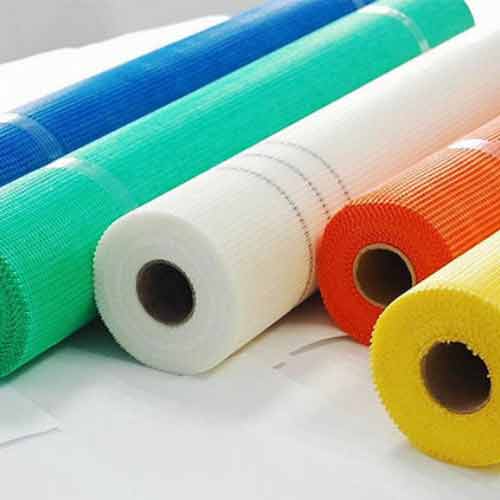
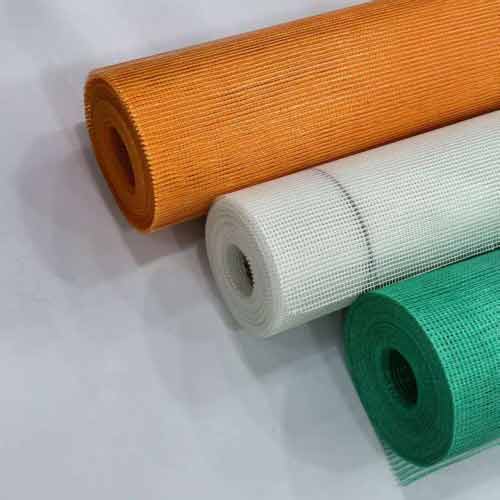
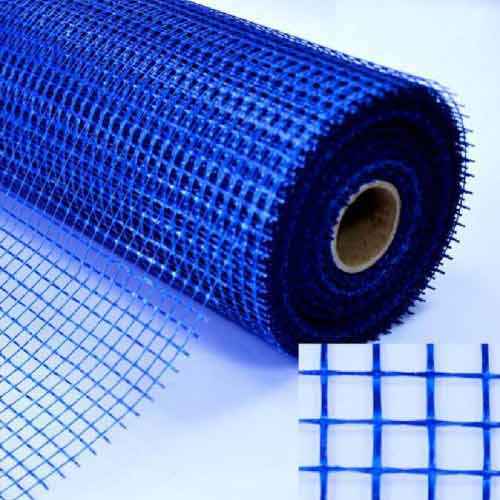
Fiberglass mesh comprises alkali-resistant glass fibers woven into a grid,
typically with 2–6 mm openings and tensile strength exceeding 1000 MPa. The
alkali-resistant coating (e.g., zirconia) prevents degradation in alkaline
concrete environments, ensuring long-term performance. Unlike steel mesh,
fiberglass is non-corrosive, lightweight, and compatible with polymer-modified
mortars, making it ideal for thin-section applications like overlays and
renders.
Mechanically, the mesh acts as a crack-arresting barrier. During concrete
curing, shrinkage induces tensile stresses; when local stress exceeds concrete’s
tensile strength (~3–5 MPa), cracks initiate. The mesh, embedded in the mortar
layer, intercepts these microcracks, distributing stress across its grid and
preventing them from widening into visible, structural cracks. For thermal
cycling, the mesh accommodates expansion/contraction differentials between
concrete and substrates, reducing stress buildup.
Application techniques maximize effectiveness. Mesh is placed in the middle
third of the mortar overlay thickness to optimize stress interception. Overlaps
of 2–4 inches between adjacent sheets ensure continuity, and embedding in a
thin-set mortar (not drywall compound) guarantees strong bonding. For floor
slabs, mesh is laid before pouring the top layer, creating a composite system
that resists bending and shear cracks.
Compatibility with repair systems enhances versatility. Fiberglass mesh
integrates with epoxy injections for structural crack repair, providing a
scaffold for resin penetration. In shotcrete applications, it reinforces steep
slopes and tunnel linings, resisting impact from falling debris. For decorative
concrete, it prevents surface crazing, maintaining smooth finishes in driveways
and patios.
Standards and testing validate performance. ASTM C1789 specifies mesh
tensile strength and alkali resistance, while ACI 318 mandates its use in
crack-prone areas like concrete overlays. Field trials show reductions in crack
width by 60–80% compared to unreinforced mortar. By addressing the root causes
of cracking, fiberglass mesh extends concrete service life, reduces maintenance
costs, and ensures structures retain their intended strength and appearance.
Previous article:
The Role of Fiberglass Mesh in EIFS (Exterior Insulation Finish Systems)
Next article:
Fiberglass Mesh: Alkaline Resistance, Strength, and Durability Standards