Product details description
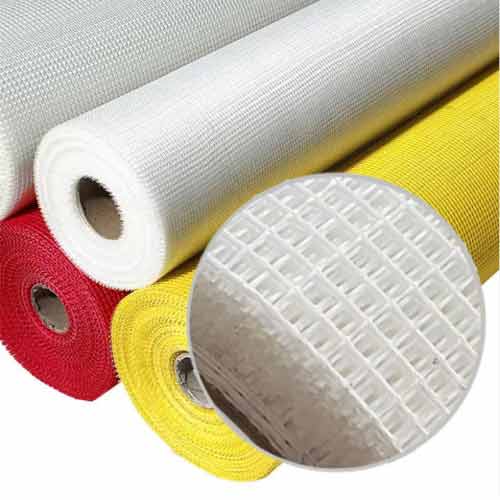
In an Exterior Insulation and Finish System (EIFS), the fiberglass mesh is
not just a component; it is the critical reinforcing skeleton that provides the
system's tensile strength and crack resistance. Sandwiched within the base coat
(or adhesive) layer that is applied over the insulation boards, this mesh is the
key element that transforms a fragile insulation assembly into a durable,
monolithic cladding capable of withstanding structural movement and impact.
The primary function of the mesh is reinforcement and crack prevention. As
the cementitious base coat cures, it shrinks and is subject to stress from
building movement (thermal expansion/contraction, settling, etc.). The
fiberglass mesh, with its high tensile strength, absorbs these stresses,
distributing them across a wide area and preventing them from manifesting as
cracks in the finish coat. Without this reinforcement, the brittle base coat
would crack easily, allowing water intrusion and system failure.
Fiberglass mesh is categorized by weight and strength, typically measured
in ounces per square yard. Standard mesh (e.g., 4-6 oz) is used over the
majority of the wall surface. Heavy-duty mesh (e.g., 10-20 oz) is employed in
high-stress areas critical to system integrity: at corners (pre-formed or
layered), around all openings (windows, doors), and at termination points. This
strategic use of different mesh weights ensures extra reinforcement where the
system is most vulnerable to cracking from concentrated stresses.
The alkali-resistant coating on the mesh fibers is a vital but often
overlooked feature. The Portland cement in the base coat is highly alkaline,
which would rapidly degrade ordinary glass fibers. The specialized coating
protects the fibers from this chemical attack, ensuring the mesh maintains its
strength over the decades-long lifespan of the EIFS. Proper embedding is also
crucial: the mesh must be fully submerged in the base coat with no visibility,
creating a solid, reinforced composite layer.
In summary, the fiberglass mesh acts as the "rebar" of the EIFS. It
provides the necessary structural integrity to manage movement and impact,
ensuring the thin, attractive finish coat remains uncracked and watertight. Its
correct specification (weight), placement (with overlaps and heavy-duty
reinforcement at key areas), and installation (full embedment) are
non-negotiable factors in achieving a durable, reliable, and high-performing
exterior insulation system that protects the building envelope for years to
come.
Previous article:
Seamless Drywall Repairs with Fiber Mesh Tape
Next article:
Crack Prevention Fiberglass Mesh: Concrete Reinforcement and Structural Integrity Enhancement