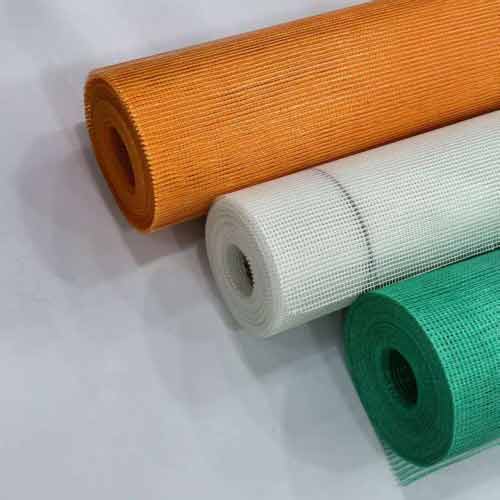
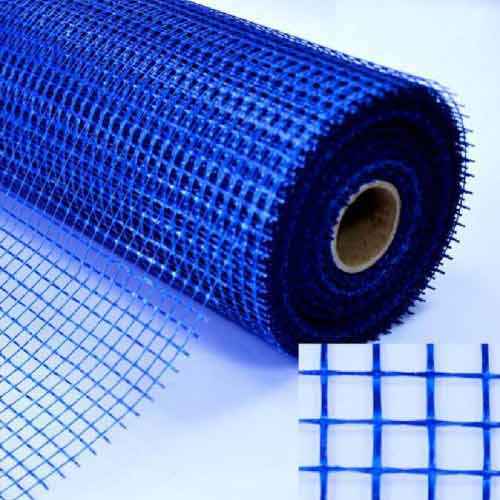
Product details description
Alkali-resistant fiberglass mesh (AR fiberglass mesh) is a specialized
textile material designed to withstand the high alkaline environment of
cement-based materials, making it an essential component in construction
applications such as external thermal insulation composite systems (ETICS), wall
reinforcement, and tile backing. Unlike standard fiberglass mesh, which is
susceptible to degradation in alkaline conditions, AR fiberglass mesh is treated
with a special coating—typically a vinyl ester or acrylic resin—that provides
excellent pH stability. This coating forms a protective barrier around the
fiberglass fibers, preventing them from reacting with the alkaline components of
cement, such as calcium hydroxide, which can cause fiber corrosion and loss of
strength over time. The pH stability of AR fiberglass mesh is its most critical
property, ensuring long-term performance and durability in cement-based
applications.
The pH stability of AR fiberglass mesh is achieved through a combination of
fiber selection and coating technology. The base fiberglass fibers used in AR
mesh are typically made from E-glass, which has good chemical resistance but is
still vulnerable to strong alkalis. To enhance alkali resistance, the fibers are
coated with a high-performance resin that is impermeable to alkaline ions. The
coating process is carefully controlled to ensure uniform coverage of each
fiber, creating a consistent protective layer. Testing for pH stability involves
exposing the mesh to simulated cementitious environments with pH values ranging
from 12 to 14 (the typical pH range of fresh and cured cement) for extended
periods. AR fiberglass mesh that maintains its tensile strength and structural
integrity after these tests is considered suitable for use in cement-based
applications.
Cement-based applications are the primary use for alkali-resistant
fiberglass mesh, and its role varies depending on the specific application. In
external thermal insulation composite systems (ETICS), AR mesh is embedded in
the base coat of the insulation system to reinforce the surface, prevent
cracking, and improve impact resistance. The mesh distributes stress evenly
across the insulation layer, reducing the risk of cracks caused by thermal
expansion and contraction, wind load, or structural movement. In wall
reinforcement applications, AR mesh is used to strengthen cement plaster,
particularly in areas prone to cracking such as corners, door frames, and window
sills. It also improves the adhesion of the plaster to the substrate, creating a
stronger and more durable wall surface. In tile backing applications, AR mesh is
used to reinforce the tile adhesive, preventing tile detachment and cracking due
to substrate movement or thermal stress.
The performance of AR fiberglass mesh in cement-based applications is not
only dependent on its pH stability but also on other properties such as tensile
strength, mesh size, and adhesion to cementitious materials. Tensile strength is
important for reinforcement, as the mesh must be able to resist the stresses
imposed by the cement-based material during curing and use. Mesh size, typically
measured by the number of openings per inch (mesh count), affects the
distribution of stress and the adhesion of the cement to the mesh. A finer mesh
size (higher mesh count) provides better stress distribution but may be more
expensive, while a coarser mesh size is suitable for applications requiring less
precise reinforcement. The adhesion of the mesh to cementitious materials is
enhanced by the rough surface of the coating, which creates a mechanical bond
between the mesh and the cement paste.
When selecting and using alkali-resistant fiberglass mesh for cement-based
applications, several factors must be considered to ensure optimal performance.
First, the mesh must meet the relevant industry standards for alkali resistance,
tensile strength, and coating quality. It is important to choose a mesh with a
coating that is compatible with the specific cement-based material being used.
Second, the mesh must be installed correctly, with proper embedding in the
cementitious layer to ensure full contact and adhesion. The mesh should be laid
flat and free of wrinkles, as wrinkles can create stress concentrations and lead
to cracking. Finally, the mesh should be stored in a dry, cool environment to
prevent moisture absorption, which can affect the performance of the coating. By
understanding the pH stability and properties of AR fiberglass mesh, and
following proper selection and installation guidelines, construction
professionals can ensure the long-term durability and performance of
cement-based structures.
Previous article:
Fiberglass Mesh in Composite Manufacturing: Fiber-Reinforced Polymer Applications
Next article:no more