The Applications of Fiberglass Screen Systems
Release time:2026-03-08 Click:5
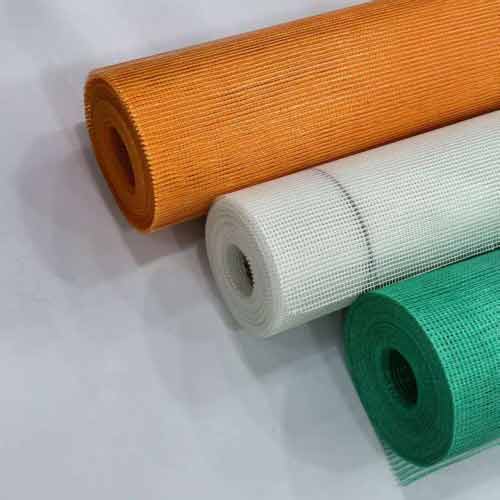
Fiberglass screen systems represent the most widely-used window and door screening solutions worldwide, providing effective insect protection while maintaining ventilation and visibility that keep indoor spaces comfortable and connected to outdoor environments. These screening products consist of fiberglass yarns woven into mesh configurations with openings typically ranging from 0.6 to 1.4 millimeters that prevent the passage of insects while allowing air flow and light transmission. The popularity of fiberglass screening stems from its favorable combination of durability, affordability, corrosion resistance, and ease of installation that makes it suitable for residential, commercial, and industrial applications. Modern fiberglass screen products have evolved to address specific requirements including pet resistance, solar heat management, and enhanced visibility that extend the functionality of traditional insect screening.
Manufacturing processes for fiberglass screen materials produce consistent mesh products that meet performance requirements for durability, air flow, and insect exclusion. Fiberglass yarns are produced by drawing molten glass through bushings to create continuous filaments that are combined and twisted into yarns suitable for weaving. Weaving processes create mesh configurations with specified thread counts, open area percentages, and physical dimensions that determine air flow characteristics and insect exclusion effectiveness. Screen fabrics are typically coated with polyvinyl chloride (PVC) or acrylic coatings that protect fibers from abrasion, UV degradation, and environmental exposure while providing color options and dimensional stability. Quality manufacturing includes testing for tensile strength, mesh opening size, and coating adhesion to ensure products meet specified performance standards.
Product variations in fiberglass screening address specific application requirements and performance preferences across diverse installation contexts. Standard fiberglass mesh provides economical insect protection for residential windows and doors in most climates. Pet-resistant screens incorporate heavier yarns, tighter weaves, or polymer coatings that resist damage from claws and paws that would quickly degrade standard screening. Solar screening products utilize darker colors and reduced open area percentages to block greater percentages of solar heat and glare while still providing ventilation and insect protection. Privacy screens incorporate colored yarns or tighter weaves that reduce visibility through the screen while maintaining ventilation. Fire-rated screening meeting building code requirements for flame spread limitations addresses applications in commercial buildings, schools, and healthcare facilities where fire safety requirements govern material selections.
Installation and maintenance considerations for fiberglass screen systems influence their effectiveness and service life in protecting indoor environments from insect intrusion. Proper frame preparation including cleaning, inspection, and repair of damaged spline channels ensures secure screen retention and smooth operation. Screen cutting and fitting requires precise measurements and sharp cutting tools that create clean edges without fraying or damage to mesh yarns. Spline installation using appropriate sizes and materials for the specific screen and frame combination ensures secure retention without tearing or stretching the screen fabric. Regular cleaning with soft brushes or cloths removes accumulated dirt, pollen, and debris that might restrict air flow or create appearance concerns. Inspection identifies damage from impact, weather exposure, or pet damage that might compromise insect protection, with timely repair or replacement ensuring continued effectiveness. When properly installed and maintained, fiberglass screen systems provide reliable, economical insect protection that enhances indoor comfort and livability across residential, commercial, and industrial applications.
Previous article:Reinforcing Surfaces with Fiberglass Mesh Sheet in Construction
Next article:Self Adhesive Fiberglass Mesh: Durable for Concrete & Masonry Surfaces
Hot products
Mobile: +86 15369229308
Email:metalproducts2025@163.com
Email:565169797@qq.com