Fiberglass Mesh Roll – Essential for Exterior Insulation Systems
Release time:2026-03-03 Click:9
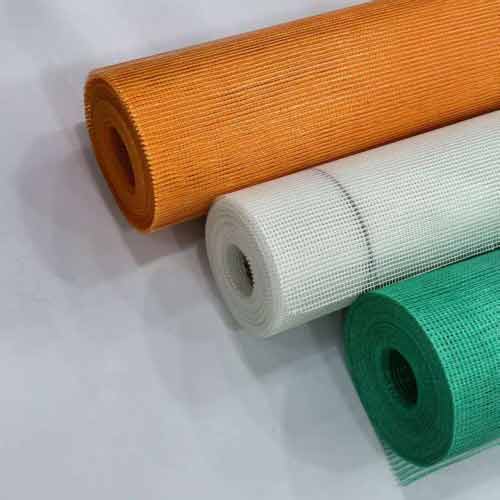
Fiberglass mesh roll has revolutionized exterior insulation and finish systems (EIFS) by providing crucial reinforcement that ensures long-term structural integrity and crack resistance. This specialized reinforcement fabric, woven from high-tensile fiberglass yarns, serves as the backbone of modern insulated wall systems, distributing stress loads across the entire surface to prevent cracking and delamination. The alkali-resistant coating applied to the mesh fibers prevents deterioration when in contact with cement-based adhesives and finishing materials, ensuring decades of reliable performance. This technology enables builders to achieve superior thermal efficiency while maintaining the aesthetic flexibility of traditional stucco and synthetic finishes.
The manufacturing process of fiberglass mesh involves precise control of fiber orientation, coating chemistry, and mesh geometry to optimize reinforcement performance. High-quality fiberglass yarns are woven using advanced looms that create a balanced grid pattern with consistent square or rectangular openings. The mesh weight typically ranges from 160-320 grams per square meter, with heavier grades used for high-stress applications and impact-resistant requirements. Alkali-resistant polymer coatings are precisely applied through controlled dipping and heating processes, creating a uniform protective layer that maintains fiber integrity in alkaline environments while preserving flexibility for installation.
Installation techniques for fiberglass mesh require skilled application to achieve optimal reinforcement benefits. The mesh is embedded within adhesive layers using specialized notched trowels that ensure complete coverage while avoiding air pockets or wrinkles. Overlapping seams by a minimum of 2.5 inches prevents stress concentration at joints, while special corner beads and edge terminations provide additional reinforcement at critical stress points. The mesh must be properly positioned within the adhesive layer, never touching the substrate or insulation board, to ensure proper stress distribution throughout the reinforced system.
Performance testing and quality assurance protocols ensure fiberglass mesh meets rigorous industry standards for reinforcement applications. Tensile strength testing verifies minimum strength requirements in both warp and fill directions, while elongation testing ensures flexibility without compromising structural integrity. Alkali resistance testing confirms coating effectiveness in simulated cement environments over extended periods. Modern fibreglass mesh systems have proven their effectiveness in extreme weather conditions, maintaining system integrity during freeze-thaw cycles, thermal expansion/contraction, and exposure to UV radiation. These systems contribute significantly to building energy efficiency by preventing thermal bridging and air infiltration around reinforcement joints.
Previous article:The Structural Integrity of Plaster Net
Next article:Reinforcing Surfaces with Fiberglass Mesh Sheet in Construction
Hot products
Mobile: +86 15369229308
Email:metalproducts2025@163.com
Email:565169797@qq.com