Product details description
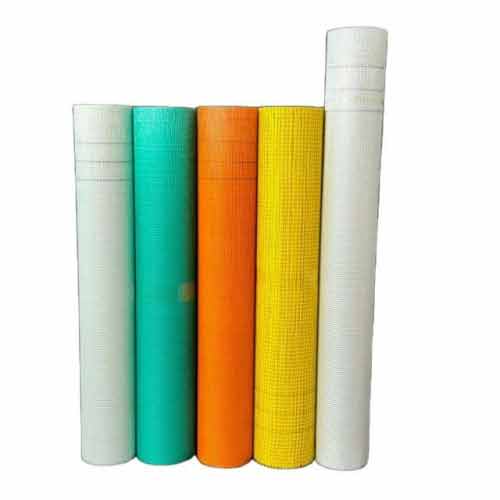
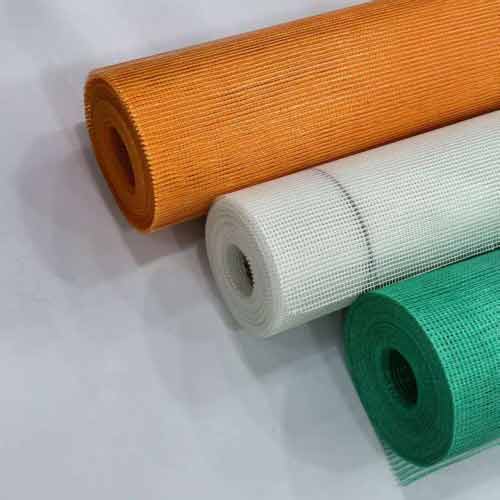
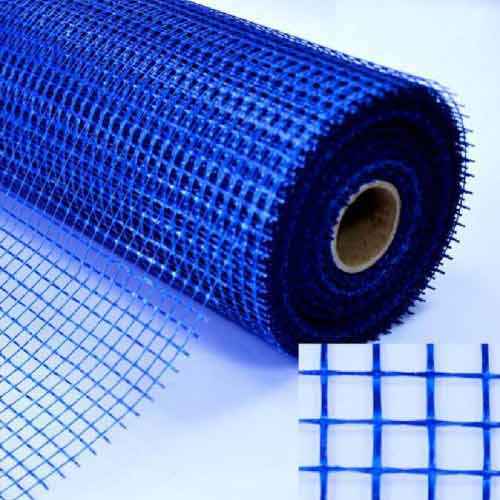
Fiberglass mesh is a versatile reinforcement material widely used in
construction, particularly in drywall finishing, exterior insulation systems
(ETICS), and waterproofing. Its primary function is to prevent cracking by
distributing stress across surfaces. However, for the mesh to perform
effectively in these applications, it must meet specific standards regarding
alkaline resistance, tensile strength, and durability. Since it is often
embedded in cement or other alkaline materials, resistance to chemical
degradation is a key factor in its performance and longevity.
Alkaline resistance is perhaps the most critical property of fiberglass
mesh used in construction. Materials like cement, mortar, and plaster are highly
alkaline, with pH levels that can rapidly degrade standard glass fibers.
High-quality fiberglass mesh is treated with a specialized coating, often based
on acrylic or silica, which protects the glass fibers from alkali attack. This
alkaline resistance ensures that the mesh retains its structural integrity over
time, preventing it from disintegrating within the wall system. Without this
protection, the mesh would lose its strength, leading to cracks in the stucco or
plasterwork it was meant to reinforce.
Strength and stability are also defined by rigorous durability standards.
The mesh must possess high tensile strength to withstand the mechanical stresses
that occur during building settling, thermal expansion, and contraction.
Standards often dictate the weight of the mesh per square meter and the breaking
force required. A durable fiberglass mesh must be stiff enough to handle
installation without tearing, yet flexible enough to conform to corners and
curves. This balance of strength and flexibility is essential for ensuring that
the reinforcement does not create weak points or delaminate from the surface it
is meant to protect.
Quality control in the manufacturing process ensures that the mesh meets
these performance standards. This involves precise weaving techniques to ensure
uniform hole sizes and consistent coating application. The mesh is typically
tested for adhesion, where the coating must remain bonded to the fibers under
stress. Manufacturers often subject their products to accelerated aging tests to
simulate long-term exposure to alkaline environments. Adherence to international
standards, such as EN or ASTM norms, guarantees that the fiberglass mesh will
perform as expected, providing reliable crack prevention and structural
reinforcement.
In conclusion, the effectiveness of fiberglass mesh in construction relies
heavily on its resistance to alkalis and its adherence to strength standards. It
serves as a critical line of defense against structural cracking, protecting the
investment in the building envelope. By selecting fiberglass mesh that meets
high standards for alkaline resistance and durability, builders and contractors
can ensure the longevity of their projects. Whether used in external insulation
or interior drywall, this material plays an essential role in maintaining the
structural and aesthetic quality of modern construction.
Previous article:
Crack Prevention Fiberglass Mesh: Concrete Reinforcement and Structural Integrity Enhancement
Next article:
Fiberglass Mesh in Composite Manufacturing: Fiber-Reinforced Polymer Applications