Fiberglass Mesh Fabric: Prevents Cracks
Release time:2026-03-07 Click:10
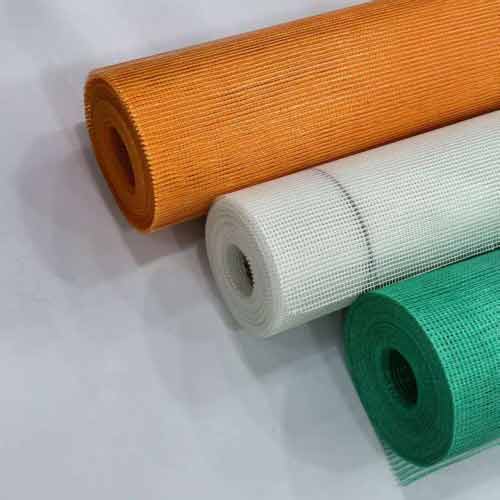
Fiberglass mesh fabric is a lightweight, high-strength reinforcement material designed specifically to prevent cracks in concrete, plaster, drywall, and other construction materials. Composed of interwoven fiberglass threads coated with a water-resistant acrylic or latex binder, this fabric forms a flexible, durable barrier that distributes stress evenly across surfaces, inhibiting the formation and propagation of cracks caused by temperature changes, shrinkage, or structural movement. Unlike traditional steel mesh that is heavy, prone to rust, and difficult to handle, fiberglass mesh fabric is corrosion-resistant, easy to cut, and compatible with various finishing materials, making it an essential component in residential, commercial, and industrial construction projects.
The primary function of fiberglass mesh fabric—crack prevention—relies on its unique combination of strength and flexibility. The fiberglass threads offer high tensile strength, comparable to steel, but at a fraction of the weight, allowing the fabric to resist stretching and tearing while accommodating minor surface movements. When embedded in concrete, plaster, or stucco, the mesh acts as a reinforcement layer that absorbs and distributes stress, preventing small hairline cracks from expanding into larger, structural cracks. This is particularly critical in areas prone to cracking, such as concrete slabs, wall corners, ceiling joints, and exterior facades exposed to weather fluctuations. The fabric’s flexibility also allows it to conform to curved or irregular surfaces, ensuring comprehensive crack protection in hard-to-reach areas.
Durability and compatibility are key advantages of fiberglass mesh fabric, ensuring long-lasting performance and versatility across applications. Fiberglass is inherently resistant to rust, corrosion, moisture, and UV radiation, making it suitable for both interior and exterior use. Unlike steel mesh that can corrode and stain surrounding materials, fiberglass mesh remains stable over time, maintaining its strength and integrity without compromising the appearance of the finished surface. The fabric is compatible with a wide range of construction materials, including concrete, plaster, stucco, tile adhesive, and paint, allowing for seamless integration into various construction processes. It is also available in different weights and mesh sizes, from fine mesh for thin coatings to heavy-duty mesh for structural reinforcement, catering to diverse project needs.
Ease of installation and cost-effectiveness further solidify fiberglass mesh fabric as a preferred crack-prevention solution. The lightweight, flexible material is easy to handle, cut, and install—no specialized tools or skills are required. It can be applied directly to surfaces using adhesive or embedded in wet plaster/concrete during application, saving time and labor compared to steel mesh installation. The fabric’s thin profile ensures it does not add significant thickness to surfaces, preserving design aesthetics and reducing material usage for finishing coats. Additionally, fiberglass mesh fabric is an affordable alternative to steel mesh, offering comparable reinforcement performance at a lower cost. Its long service life and low maintenance requirements (it requires no painting or treatment) make it a cost-effective long-term investment for preventing costly crack repairs in buildings and structures.
Previous article:Wall Reinforcement Fiberglass Mesh Waterproof Protection Technology
Next article:no more
Hot products
Mobile: +86 15369229308
Email:metalproducts2025@163.com
Email:565169797@qq.com