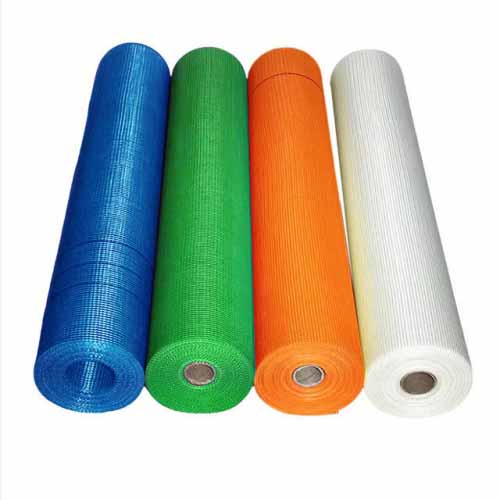
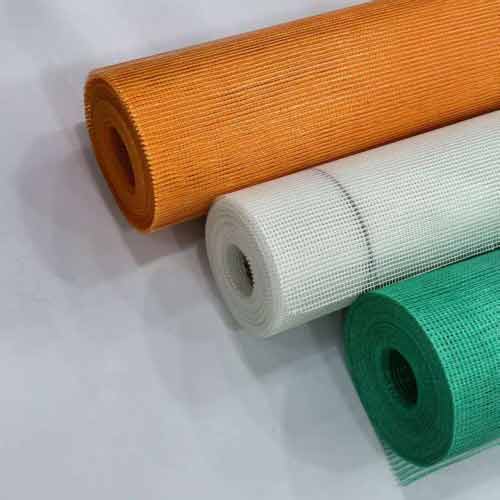
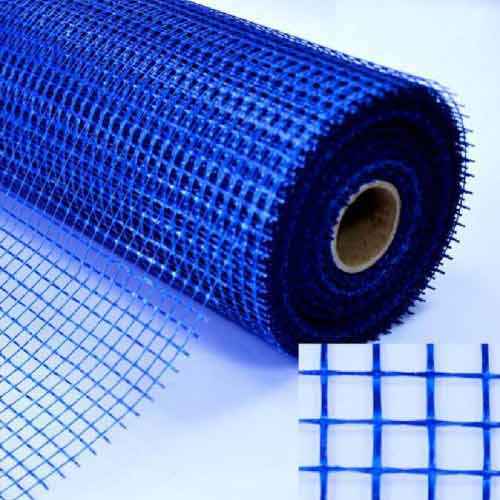
Product details description
Fiberglass mesh serves as a critical reinforcement component in
construction applications including exterior insulation finishing systems, tile
backing, plastering, and waterproofing membranes where it provides tensile
strength and crack resistance to finish materials. The adhesive systems used to
bond fiberglass mesh to substrates must provide adequate bond strength while
maintaining compatibility with both the mesh coating and the substrate materials
they connect. Understanding adhesive types, compatibility requirements, and
proper installation techniques enables contractors and applicators to achieve
durable mesh installations that perform as intended throughout the service life
of the finished system. The performance of reinforced finish systems depends
critically on proper mesh bonding, making adhesive selection and application
quality essential factors in construction quality.
Acrylic-based adhesives represent the most common bonding choice for
fiberglass mesh in EIFS and similar applications, with their flexibility, UV
resistance, and compatibility with mesh coatings providing reliable long-term
performance. Acrylic adhesives cure through water evaporation, creating flexible
films that accommodate substrate movement without cracking while maintaining
strong adhesion to both mesh and substrate surfaces. The open time of acrylic
adhesives allows proper mesh embedding and adjustment before cure, with typical
working times of 20 to 40 minutes depending on temperature and humidity
conditions. Proper application requires sufficient adhesive coverage to fully
embed mesh threads while avoiding excessive buildup that could telegraph through
finish layers or create visible irregularities in finished surfaces.
Portland cement-based adhesives provide higher rigidity and bond strength
than acrylic alternatives, making them suitable for applications where
dimensional stability and load transfer are primary concerns. Cement-based
adhesives require proper mixing with clean water to achieve consistent
workability and should be applied within specified pot life windows before
initial set occurs. The alkaline environment of cured cement products is
compatible with most fiberglass mesh coatings, though some mesh types may
require specific cement formulations to prevent adverse reactions. Curing
requirements for cement-based adhesives include maintaining adequate moisture
for complete hydration, with dry curing conditions potentially compromising both
bond strength and long-term durability.
Installation best practices for fiberglass mesh bonding begin with proper
surface preparation that ensures clean, sound substrates with adequate profile
for adhesive bonding. Primers may be required for certain substrate conditions,
with selection based on substrate porosity, existing coatings, and specific
adhesive requirements. Mesh should be cut to appropriate sizes before adhesive
application, with edges overlapped at manufacturer-specified dimensions where
multiple pieces are required. Adhesive application should proceed in manageable
sections that allow complete mesh embedding before the adhesive skins over, with
edge feathering to minimize thickness variations at mesh seams. Mesh must be
fully embedded with no visible mesh pattern visible through the adhesive, with
additional adhesive applied to any areas where mesh shows through the base coat.
Cure times should be respected before applying finish coats, with protection
from premature moisture exposure, freezing temperatures, or excessive wind that
could compromise curing.
Previous article:
How to Install Fiberglass Mesh for Plastering: Step-by-Step Guide
Next article:
Reinforcing Fiberglass Mesh - Prevents Cracks in Plaster & Stucco