Product details description
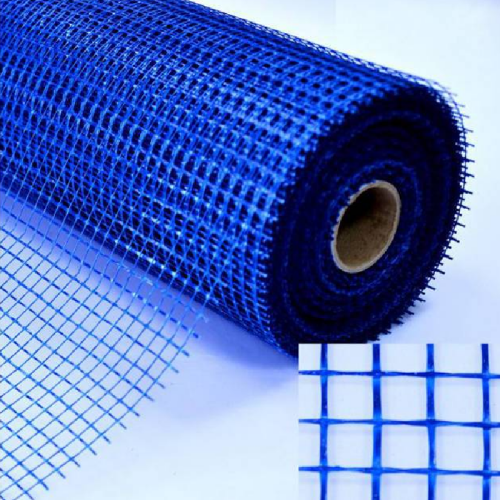
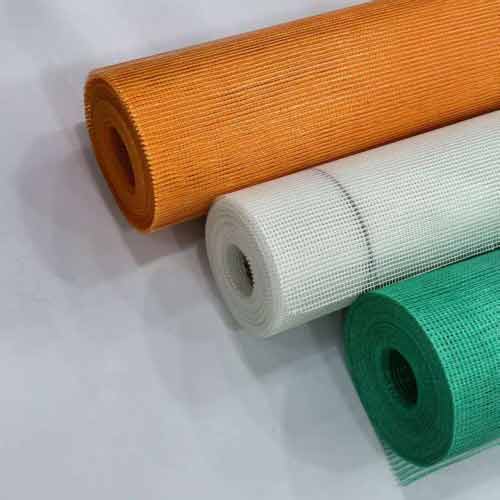
Fiberglass mesh rolls come in standard dimensions tailored to construction
and reinforcement applications, with cutting techniques critical to achieving
precise fits and maintaining material performance. Typically, roll widths range
from 36 to 72 inches (91 to 183 cm), while lengths vary from 150 to 300 feet (46
to 91 meters), depending on manufacturer and intended use such as stucco
reinforcement, EIFS systems, or concrete slab crack control. Understanding these
sizes aids in project planning and material optimization.
Width selection corresponds to application coverage needs. Narrower rolls
suit detail work around windows, doors, and corners, minimizing waste and
overlap. Wider rolls reduce the number of seams in large wall areas, improving
installation speed and reducing potential leakage paths in waterproofing
systems. Matching roll width to the width of the substrate or the spacing of
reinforcement zones ensures efficient coverage without unnecessary joins.
Cutting fiberglass mesh requires tools and methods that prevent unraveling
and preserve fiber integrity. Straight cuts are best made with sharp utility
knives or rotary cutting tools equipped with fine carbide blades. For intricate
shapes, templates and marker lines guide accurate cutting. It is essential to
cut between fiber strands rather than through them to avoid weakening the mesh.
Cutting on a flat, stable surface prevents distortion and ensures clean
edges.
Handling precautions protect installer safety and maintain roll quality.
Fiberglass strands can irritate skin and lungs, so wearing gloves, long sleeves,
and dust masks is recommended. Rolls should be stored flat in a dry,
temperature-controlled environment to prevent warping or moisture absorption,
which can degrade adhesion properties. Avoiding excessive bending or folding
preserves the mesh’s tensile strength.
Standardized fiberglass mesh roll sizes combined with proper cutting
techniques enable efficient, precise reinforcement in diverse construction
contexts. By matching dimensions to job requirements and executing clean,
fiber-preserving cuts, contractors can optimize material usage, reduce waste,
and ensure strong, durable composite assemblies.
Previous article:
Stucco System Standard Glass Fiber Mesh Reinforcement Fiberglass
Next article:
Tools Needed for Fiberglass Mesh Installation