Reinforcing Surfaces for Durability with Plaster Net
Release time:2026-01-27 Click:13
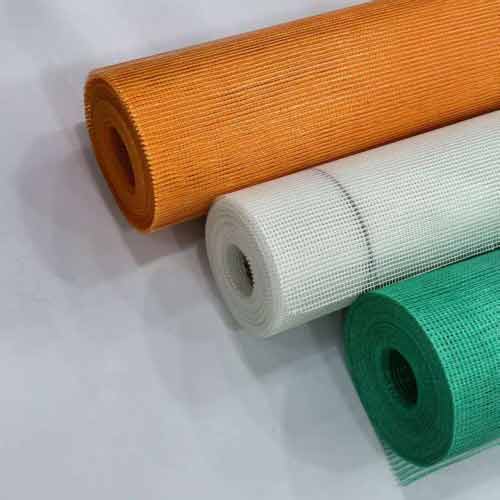
Plaster net, also known as stucco net or reinforcing mesh, is a key material in construction used to strengthen and prevent cracking in plaster, stucco, and render applications. Typically made from fiberglass or galvanized steel wire woven into a grid, it is embedded within the mortar layer to distribute stress and provide tensile strength, particularly over joints, corners, and areas prone to movement or impact. This reinforcement is crucial for ensuring the longevity and aesthetic integrity of both interior walls and exterior facades, creating a stable base that resists shrinkage and thermal expansion.
The application of plaster net is a standard practice in modern building techniques, especially in systems like Exterior Insulation and Finishing Systems (EIFS). It is applied over insulation boards or directly onto substrates such as masonry or concrete before the base coat of plaster is troweled on. The mesh ensures the plaster adheres uniformly and bridges gaps or minor substrate imperfections. For renovation projects, it is indispensable for repairing old, cracked walls, as it bonds new plaster to the existing structure, effectively preventing the recurrence of hairline cracks and ensuring a smooth, continuous finish.
Different types of plaster net are selected based on the project's requirements. Fiberglass mesh, being alkali-resistant, is lightweight and easy to handle, making it ideal for thin-coat plaster and interior use. Heavier steel mesh is used for structural reinforcement in high-stress areas or for traditional thick-coat stucco on exterior walls. The mesh size and weight per unit area determine its strength and suitability for specific loads, allowing builders to engineer surfaces that withstand environmental forces like wind, seismic activity, and settlement.
Advancements in material science are enhancing the performance of plaster net. Innovations include self-adhesive meshes for faster installation, and composites with improved flexibility and tear resistance. In sustainable construction, there is a push towards using recycled materials in mesh production. As building codes emphasize durability and energy efficiency, the proper use of plaster net becomes even more critical to prevent moisture ingress and thermal bridging in insulated wall systems. This humble grid material, often unseen in the finished wall, remains a fundamental component in constructing durable, crack-free, and high-quality building envelopes.
Previous article:The Importance of Mesh Tape
Next article:Insect Protection and Ventilation Using Fiberglass Screening
Hot products
Mobile: +86 15369229308
Email:metalproducts2025@163.com
Email:565169797@qq.com