Reinforced Durability with Plaster Net
Release time:2026-01-20 Click:23
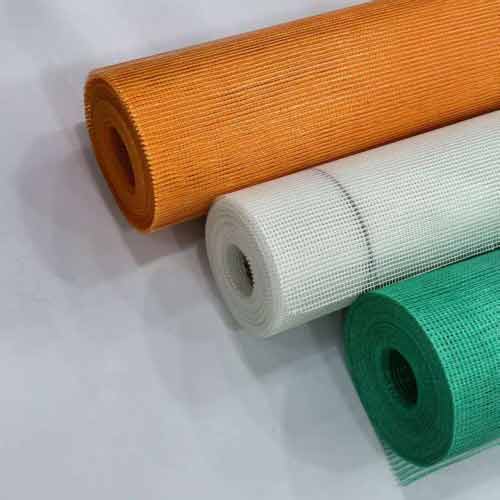
Plaster net is an essential reinforcing material used in construction to prevent cracking and improve the structural integrity of plaster, stucco, and render coats. Typically made from galvanized steel wire, fiberglass, or polypropylene, these mesh sheets are embedded into the base coat of plaster to distribute stress evenly across a surface. Without this reinforcement, plaster is prone to shrinking and cracking as it dries, especially over joints, corners, or dissimilar materials like wood and concrete. The plaster net acts as a skeleton, holding the material together and bridging small gaps, ensuring a smooth, monolithic finish that can withstand thermal expansion, building movement, and impact.
The choice of material for plaster net depends on the specific application and environmental conditions. Galvanized steel mesh is the traditional choice for heavy-duty applications, such as exterior stucco on lath and plaster systems, offering high tensile strength and impact resistance. Fiberglass mesh has gained immense popularity for interior drywall finishing and EIFS (Exterior Insulation and Finish Systems) because it is lightweight, rust-proof, and easy to cut. It is also alkali-resistant, preventing degradation from the lime in cement-based plasters. For moisture-prone areas like bathrooms and kitchens, synthetic mesh or water-resistant fiberglass is preferred to avoid corrosion and mold growth behind the walls.
Installation of plaster net is a critical step in the plastering process that requires precision. The mesh must be stapled or adhered securely to the substrate, ensuring there are no bubbles or wrinkles that could telegraph through the finish coat. At corners and openings, the net must be folded or overlapped correctly to maintain continuity of the reinforcement. For multi-coat systems, the net is often embedded in the scratch coat (the first layer), which is scored to provide a key for the subsequent brown and finish coats. Proper embedding ensures that the net is centered within the plaster thickness, maximizing its effectiveness in controlling cracks.
In modern construction, plaster net is also used for specialized decorative and repair applications. It is used to reinforce thin-set tile installations over wood floors to prevent "telegraphing" cracks. In historical restoration, expanded metal lath (a type of plaster net) is used to replicate traditional plasterwork on ceilings and cornices. For DIY home repairs, self-adhesive fiberglass mesh tape is used to fix drywall seams and hairline cracks quickly. The versatility of the material extends to soundproofing assemblies, where it helps dampen vibrations. By providing a cost-effective way to enhance durability and longevity, the plaster net remains a fundamental component in the toolkit of both professional plasterers and homeowners, ensuring that walls remain pristine for decades.
Previous article:Flexible Fiberglass Mesh for Exterior Insulation Systems (EIFS)
Next article:Self Adhesive Fiberglass Mesh: Seam Reinforcement & Crack Coverage
Hot products
Mobile: +86 15369229308
Email:metalproducts2025@163.com
Email:565169797@qq.com