45 GSM Fiber Mesh Integration Techniques
Release time:2026-03-13 Click:4
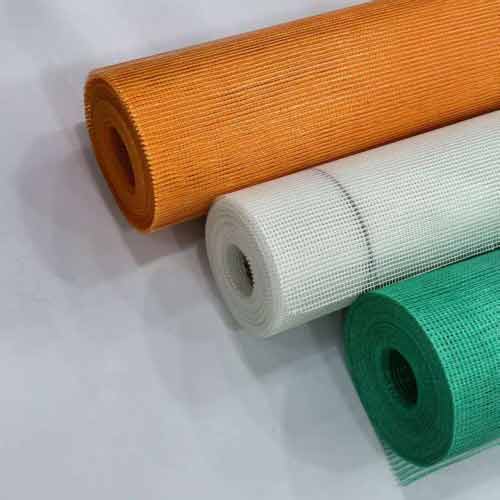
In modern concrete construction, achieving crack resistance without traditional rebar isn’t just possible—it’s increasingly standard, thanks to innovations like 45 GSM fiber mesh. This lightweight, non-woven polypropylene fabric, weighing 45 grams per square meter, acts as secondary reinforcement that controls plastic shrinkage cracks during curing and enhances surface durability.
Unlike welded wire mesh, which requires precise placement and can sag, 45 GSM fiber mesh is rolled directly onto fresh concrete before floating. Its open structure allows easy troweling while distributing millions of fine fibers uniformly throughout the top 1–2 inches—the zone most vulnerable to early-age cracking from evaporation and settlement.
Applications span residential driveways, warehouse floors, sidewalks, and pool decks. The mesh improves impact resistance, reduces dusting, and minimizes curling at slab edges. It’s particularly valuable in thin toppings or overlays where conventional reinforcement is impractical. Installation speed cuts labor costs by up to 30% compared to wire mesh.
Compatibility with other systems is seamless. It can be used alongside control joints, vapor barriers, and even radiant heating tubes. For exterior slabs, pairing with integral fiber additives (e.g., macro-synthetic fibers) creates a dual-defense strategy—surface and bulk reinforcement working in concert.
Quality control matters. Ensure the product meets ASTM C1784 or similar standards for tensile strength and elongation. Store rolls dry and unrolled to prevent creasing. Overlap seams by 2–4 inches and secure with staples if wind is a concern—though most installers simply embed it during finishing.
The 45 GSM fiber mesh exemplifies how subtle interventions yield major gains. It doesn’t replace structural steel—but it transforms ordinary concrete into a more resilient, maintenance-friendly surface, proving that sometimes, less really is more.
Previous article:Foundation Support and Applications of Stucco Mesh
Next article:no more
Hot products
Mobile: +86 15369229308
Email:metalproducts2025@163.com
Email:565169797@qq.com