The Versatility of Fiberglass Mesh Screen Door
Release time:2026-02-28 Click:14
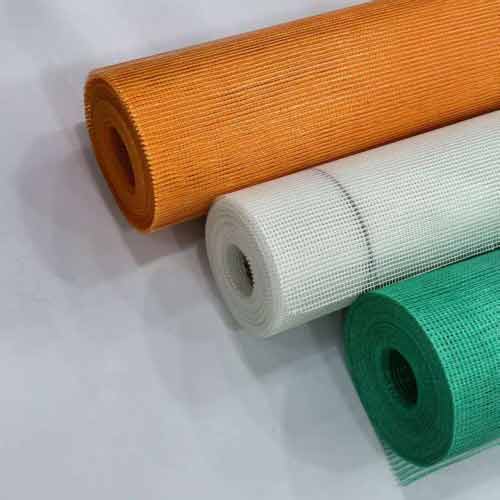
Fiberglass mesh screen door, a lightweight and durable barrier, offers the perfect balance of ventilation and insect protection for homes and businesses. Made from woven fiberglass threads coated in PVC, this screen allows air and light to pass through while keeping mosquitoes, flies, and other pests out. Its flexibility and resistance to tearing make it a popular choice for front doors, patio entries, and window screens, blending seamlessly with modern and traditional architecture.
The construction of fiberglass mesh screen door prioritizes durability and visibility. The mesh itself consists of fine fiberglass yarns (10–20 denier) woven into a grid of 18x16 or 20x20 threads per inch, providing a balance of airflow and pest resistance. A PVC coating (0.1–0.2 mm thick) adds UV resistance, preventing sun damage, and makes the mesh waterproof. The frame, typically aluminum or steel, is powder-coated to match door colors, with reinforced corners to prevent warping. Some models include magnetic closures or rollers for smooth operation.
Applications of fiberglass mesh screen door are diverse. In residential settings, it is installed on front doors to allow fresh air while keeping bugs out, especially in warm climates. Patio and French doors use it to create bug-free outdoor living spaces, and garage doors employ it to ventilate while excluding rodents. Commercially, restaurants use it on kitchen doors to maintain airflow, and greenhouses rely on it to protect plants from pests. For rental properties, it offers a temporary solution that can be easily removed.
Advantages of fiberglass mesh screen door over other screen types are clear. Unlike aluminum mesh, it does not dent or corrode, and it is more flexible than steel mesh, making it easier to install. It is nearly transparent, preserving views, and its smooth surface resists dust accumulation. The PVC coating makes it easy to clean with a damp cloth, and it does not shrink or stretch like fiberglass without coating. For high-traffic areas, heavy-duty variants (with 20x20 mesh) resist tearing from pets or children.
Installation of fiberglass mesh screen door is user-friendly, often a DIY project. First, the door frame is measured, and the screen is cut to size. The mesh is inserted into the frame’s channels, with spline (a flexible cord) pressed in to secure it. Corners are trimmed, and the door is hung using hinges. For sliding doors, tracks are installed to ensure smooth movement. Adjustable frames accommodate minor size discrepancies, and professional installation is recommended for oversized doors.
Maintenance of fiberglass mesh screen door ensures longevity. Monthly cleaning with a soft brush and mild detergent removes dirt, while hosing down removes pollen. Tears can be patched with mesh repair tape, and sagging screens are re-tensioned by replacing the spline. In winter, doors are removed and stored indoors to prevent cold damage. With proper care, fiberglass mesh screen doors last 10–15 years, providing reliable, breathable protection for years.
Previous article:Flexible Fiberglass Mesh for Drywall Joint Reinforcement
Next article:Weather-Resistant Wall Construction Fiberglass Mesh for Outdoor Wall Applications
Hot products
Mobile: +86 15369229308
Email:metalproducts2025@163.com
Email:565169797@qq.com