Crack Prevention High-Strength Fiberglass Mesh For Plaster And Stucco
Release time:2026-02-20 Click:14
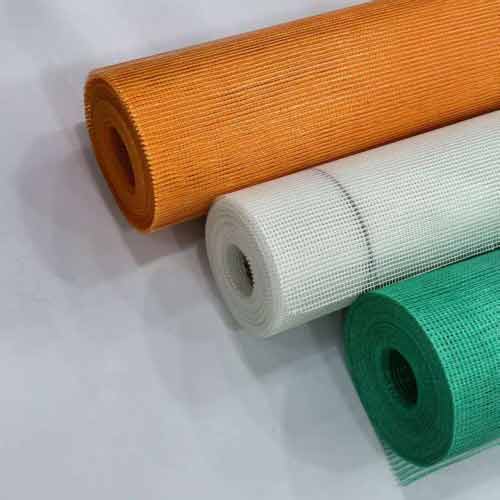
High-strength fiberglass mesh has become the essential reinforcing component that construction professionals specify for plaster and stucco applications where crack resistance and long-term durability are essential performance requirements. The incorporation of fiberglass mesh within cementitious plaster or stucco systems creates composite construction that combines the compressive strength of cement with the tensile capacity of fiberglass, preventing the cracking that occurs when tensile stresses exceed the inherent tensile strength of unreinforced cementitious materials. Modern fiberglass mesh products are engineered with specific coating treatments that ensure alkali resistance in the high-pH cement environment, dimensional stability that prevents movement that could crack overlying materials, and mesh geometries that optimize crack-bridging performance. These technical characteristics enable fiberglass-reinforced plaster and stucco systems to maintain appearance and performance through the building movements, temperature cycles, and moisture exposures that structures experience throughout their service lives.
The material science underlying fiberglass mesh performance involves the combination of glass fiber chemistry, sizing formulations, and mesh construction techniques that together produce the crack resistance that construction applications require. E-glass (electrical glass) and AR-glass (alkali-resistant glass) represent the two primary fiber chemistries used in construction mesh, with AR-glass specifically formulated to resist the alkaline attack that cement pore solutions cause in standard E-glass fibers. The sizing or coating applied to glass fibers during manufacturing serves multiple functions including protection during handling, compatibility with cementitious binders, and stabilization against moisture absorption that could affect dimensional performance. Mesh constructions including woven, knitted, and non-woven formats each provide different performance characteristics, with square-weave constructions typically providing balanced strength in both warp and fill directions while leno weave constructions offer enhanced dimensional stability.
The crack prevention mechanisms that fiberglass mesh provides operate through several physical processes that work together to maintain the integrity of plastered surfaces. The mesh creates a structural reinforcement layer within the plaster or stucco that carries tensile stresses that would otherwise cause cracking, distributing these stresses across the mesh rather than concentrating them at local weaknesses. The bond between mesh and cementitious material transfers loads between the two components, with appropriate coating formulations ensuring durable adhesion throughout service life. The crack-bridging capability of well-designed mesh maintains surface integrity even when minor cracking occurs in underlying substrates, preventing cracks from telegraphing through finished surfaces. These mechanisms enable fiberglass-reinforced plaster and stucco systems to accommodate the building movements, thermal cycling, and substrate variations that would cause cracking in unreinforced systems.
Installation practices for fiberglass mesh in plaster and stucco applications significantly impact the performance that reinforcing mesh is designed to provide. Proper mesh placement—typically at the center of the plaster thickness or embedded within the scratch coat—ensures that the mesh operates within the zone of maximum tensile stress. Overlapping of mesh sections at joints and seams maintains continuous reinforcement across the entire plastered surface, preventing weak points where cracking might initiate. Proper embedding of mesh within cementitious material ensures adequate bond transfer between mesh and binder. The timing of subsequent plaster coats must allow adequate curing of underlying layers to prevent stress concentrations that could compromise mesh performance. These installation requirements emphasize the importance of trained applicators who understand both the techniques and the performance objectives that fiberglass mesh reinforcement provides.
The applications for crack-prevention fiberglass mesh span the range of cementitious cladding systems where durability and appearance are essential considerations. Exterior insulation and finish systems (EIFS) rely on fiberglass mesh to provide impact resistance and crack-bridging capability for the polymer-modified stucco surfaces that define these assemblies. Traditional three-coat stucco systems incorporate mesh at the base coat level to prevent cracking from substrate movement or thermal stress. Interior plaster applications in commercial and institutional buildings use mesh reinforcement to maintain crack-free surfaces through building movements and service life changes. Each application has specific mesh weight and coating requirements that appropriate specification ensures optimal performance for the intended service conditions.
Previous article:Drywall Fiberglass Mesh for Crack Prevention
Next article:Alkali Resistant Flexible Fiberglass Mesh for Durability
Hot products
Mobile: +86 15369229308
Email:metalproducts2025@163.com
Email:565169797@qq.com