A Contractor's Trusted Material: Construction Fiberglass Mesh
Release time:2026-02-11 Click:12
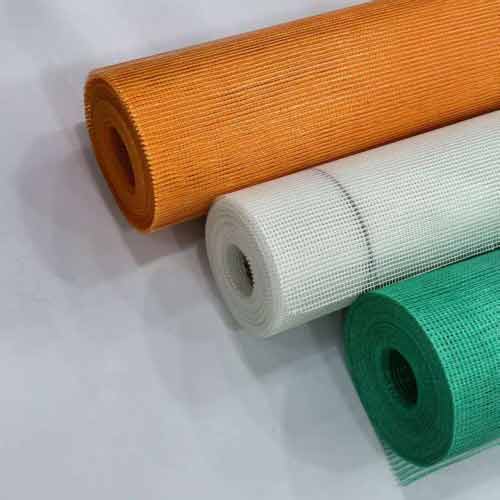
In the complex world of construction and renovation, the integrity of a structure often relies on the materials that are unseen, hidden beneath layers of plaster or paint. Construction fiberglass mesh has earned its place as a trusted material for contractors, serving as a critical reinforcement agent in wall and ceiling applications. Its strength, flexibility, and resistance to alkali make it an indispensable tool for preventing cracks and ensuring a smooth, lasting finish.
One of the primary uses of fiberglass mesh is in drywall finishing and plastering. When paper tape is used, it can sometimes bubble or tear under stress, leading to visible defects on the wall surface. Fiberglass mesh, however, is self-adhesive and easily conforms to corners and joints. Its open weave allows joint compound to penetrate through, creating a strong mechanical bond. This bond reinforces the seams, preventing the formation of hairline cracks as the building settles or temperature changes cause the materials to expand and contract.
The alkali-resistant properties of fiberglass mesh are essential for working with cement-based materials like stucco or concrete. Traditional meshes made from other materials can degrade when exposed to the alkaline properties of cement, leading to the mesh breaking down and the plaster cracking. High-quality fiberglass mesh is coated with a protective layer that neutralizes this chemical reaction, ensuring the reinforcement remains stable over time and preserving the structural integrity of the facade.
Ease of installation significantly boosts productivity on the job site. Unlike some rigid reinforcement materials, fiberglass mesh is lightweight and flexible. Contractors can cut it to size with a simple utility knife, and it does not require special tools or complicated installation techniques. Its pliability allows it to be applied quickly to uneven surfaces without folding back on itself, saving labor hours and allowing projects to move forward at a faster pace.
Versatility is another hallmark of construction fiberglass mesh. It is suitable for a wide range of applications beyond just drywall. It is commonly used in exterior insulation finishing systems (EIFS), floor crack isolation membranes, and even roofing underlayment. This adaptability means that contractors can rely on a single type of mesh for multiple stages of a project, simplifying material procurement and inventory management.
In conclusion, construction fiberglass mesh is a cornerstone material for achieving high-quality finishes in modern construction. It addresses the common pitfalls of cracking and chemical degradation, offering a robust solution that stands the test of time. For contractors seeking to deliver superior craftsmanship while maintaining efficiency, fiberglass mesh remains the go-to choice for reinforcing walls and ceilings.
Previous article:Ultra-Fine Mesh Plasterboard Joints Fiberglass Mesh
Next article:Exterior Wall Reinforcement with Galvanized Stucco Mesh
Hot products
Mobile: +86 15369229308
Email:metalproducts2025@163.com
Email:565169797@qq.com